


People ask us all the time: “So…how long will a full rewire take?” Short version: most homes land between 2 and 10+ days, depending on size, access, and permits. A single room usually wraps in 4–10 hours, a typical 3-bed home often finishes in 3–7 days, and adding one new branch circuit takes about 1–3 hours. Below, I’ll give you straight timelines, a simple step-by-step schedule, a Los Angeles project we just completed, and smart ways to move faster without tearing up your walls. If you’re searching for home rewiring los angeles ca, Tik electric delivers clean, permit-ready work. We can also help with Electrical Outlet Wiring.
You want speed—without dust, red tags, or do-overs.
Rewiring isn’t a sprint; it’s a “measure twice, cut once” kind of job. Rush it and you invite code violations, ugly drywall scars, and inspections that don’t pass. Done right, you get safer power, tidy wire routes, and future-proof capacity—on a timeline you can plan your week around.
Quick answers (no fluff, just facts)
How long to rewire a whole house?
Plan on 2–10+ days. Small condos can be 2–3 days; larger two-story or heavy-plaster homes often run 7–12 days.
How long to rewire one room?
Usually 4–10 hours. Add time if the walls are plaster/lathe, attic or crawlspace is tight, or you’re adding multiple dedicated circuits.
What if this follows a purchase, inspection, small fire, or knob-and-tube discovery?
Expect 2–14 days for permits/utility coordination and another 2–10+ days of field work. In Los Angeles, that’s 1–4 weeks end-to-end.
Average time to run a single new branch circuit?
About 1–3 hours, depending on run length, access (attic/crawl), and how many holes we have to make.
Timeline for a 3-bed house?
Commonly 3–7 days, assuming standard drywall, decent attic access, and a modern panel with space (or a planned upgrade).
Ready for a Clean, Permit-Ready Home Rewire in Los Angeles?
At Tik Electric, we rewire with minimal wall impact—attic/crawlspace fishing, neat small cuts, and code-compliant upgrades. We handle LADBS permits & inspections, add AFCI/GFCI protection, and plan future capacity for EV chargers and full electrification.
What actually sets the timeline?
- Attic and crawlspace availability, finished basements, heavy insulation, and plaster vs. drywall all matter.
- Whole-home vs. a few rooms, panel upgrades, GFCI/AFCI retrofits, or new dedicated circuits (EV, HVAC, microwave).
- Permits & inspections. LA processes are predictable but add 1–14 days depending on the calendar.
- Patch & paint plan. Surface-mounted options vs. fishing behind walls—and how pristine you want those walls afterward.
- Existing conditions. Knob-and-tube, aluminum branch circuits, DIY surprises, or overloaded panels stretch the schedule.
- Coordination windows. Tenant move-outs, HOA hours, or brief utility shutdowns can set the daily pace.
A clean, step-by-step whole-home schedule
Day 0–3: Planning & permits
- Site walk, load calc, and circuit map
- Material list and permit submittal
- Homeowner prep: clear attic/closets, cover furniture
Day 1–2: Panel & main prep
- Label old circuits and lockout for safety
- Panel upgrade or sub-panel if needed
- Temporary power plan if required
Day 2–5: Branch circuits
- Room-by-room rewiring
- Electrical Outlet Wiring upgrades (tamper-resistant, GFCI/AFCI to code)
- Lighting controls (including 3-way switch layouts)
Day 5–6: Devices & trim
- Receptacles, switches, plates
- Re-hang fixtures; set up smart devices if requested
Day 6–7: Test & inspection
- Continuity, polarity, GFCI/AFCI trip tests
- Clean labeling and panel schedules
- Final inspection
Result: a typical 3-bed home sees 3–7 days of field work, plus permit/inspection windows.

Room-by-room durations (typical drywall, good access)
- Bedroom: 4–8 hours (outlets, lighting, possible 3-way)
- Kitchen: 1–2 days (small-appliance circuits, microwave, dishwasher, disposal, GFCI spacing)
- Living Room: 6–10 hours (code outlet spacing, lighting, media receptacles)
- Bathroom: 4–8 hours (20A GFCI, lighting/vent)
- Garage/Laundry: 6–10 hours (GFCI, dedicated laundry, EV-readiness)
Mini case study—Los Angeles, 3-bed, 1,600 sq ft
A homeowner called about brittle cloth wiring and a kitchen that tripped if the toaster and kettle ran together. We tuned the panel (made space for AFCI/GFCI), fished new homeruns through the attic, and kept drywall cuts minimal.
- Permits: Submitted Monday, approved Wednesday.
- Field work: Thu–Tue (5 workdays; weekend off).
- Inspection: Wednesday morning—passed.
Why it moved quickly: clear attic pathways, a precise circuit map, devices pre-staged, and the homeowner emptied closet ceilings so we could drill cleanly. The end result smelled like fresh paint and new plastic plates instead of drywall dust—clean walls, a labeled panel, and an EV-ready 50A run capped for later.
How to finish faster—without wrecking the walls
- Pre-map circuits by room and use; share pathways to cut extra holes.
- Use existing chases—stacked closets, chimney chases, soffits are gold.
- Drill smart. Tiny top-plate penetrations beat exploratory cuts.
- Protect finishes. Ram board, zipper walls, and HEPA vacs keep dust down and cleanup quick.
- Decide on smart controls early. Backordered dimmers can stall trim day.
For deeper techniques, see How to Rewire a House without Wrecking the Walls.
Average time per circuit
Pulling a new circuit isn’t just “fishing a cable.” We identify a safe path, drill plates, protect and staple the run to code, terminate boxes, land the conductors at the panel, then test and label. That’s why 1–3 hours per circuit is normal—and a bit longer in plaster homes or where fire-blocking forces extra holes.
Permits, code, and inspection (LA reality check)
Yes, permits are required. Book 1–5 business days for inspection depending on jurisdiction. Expect AFCI/GFCI protection in living areas, kitchens, baths, exterior, garages, and laundry where applicable. Labels matter; a clean panel schedule speeds the inspection and helps the next tech years from now. If your panel is cramped, a sub-panel or service upgrade can fold into the same overall timeline with good planning.
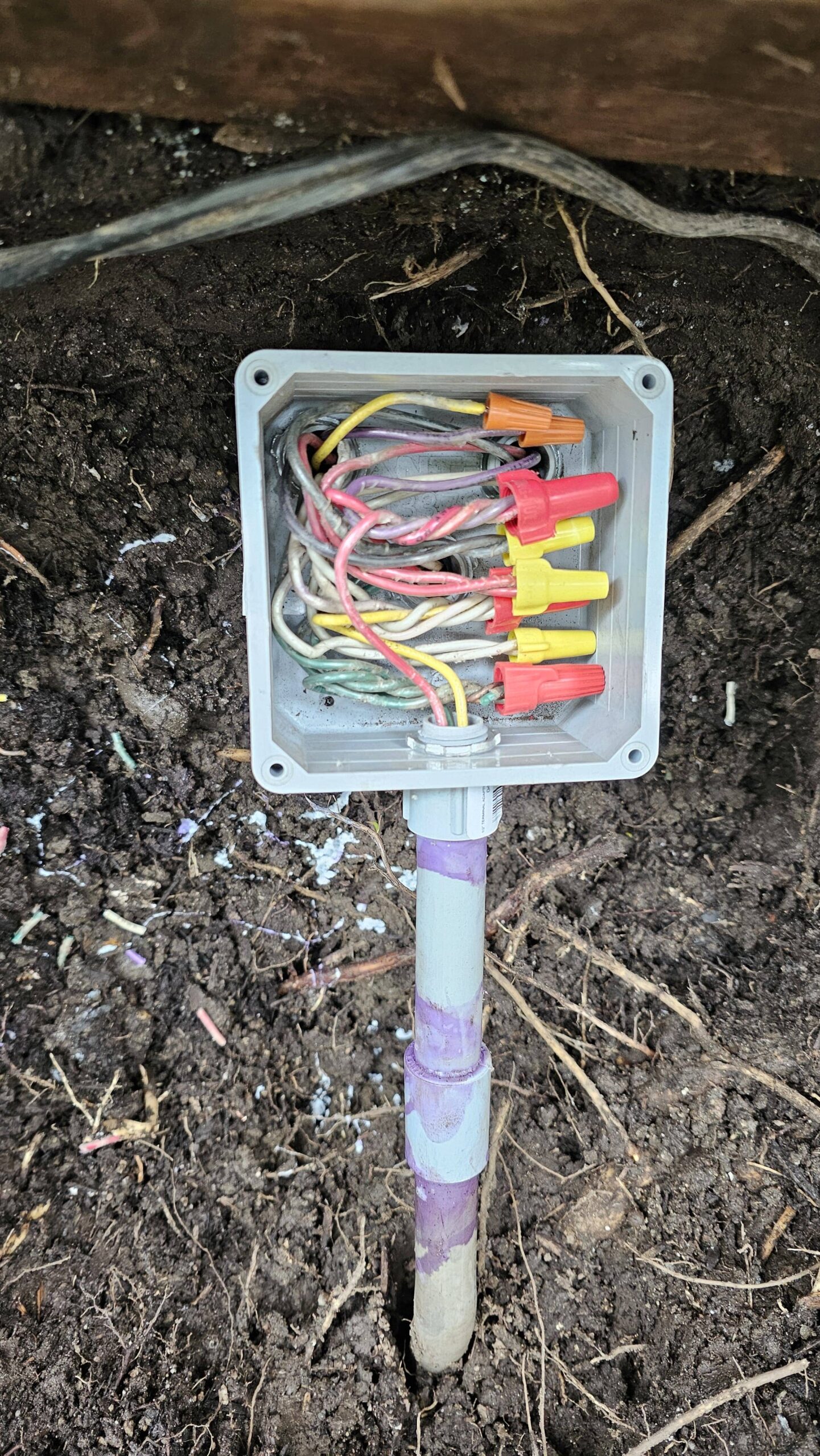
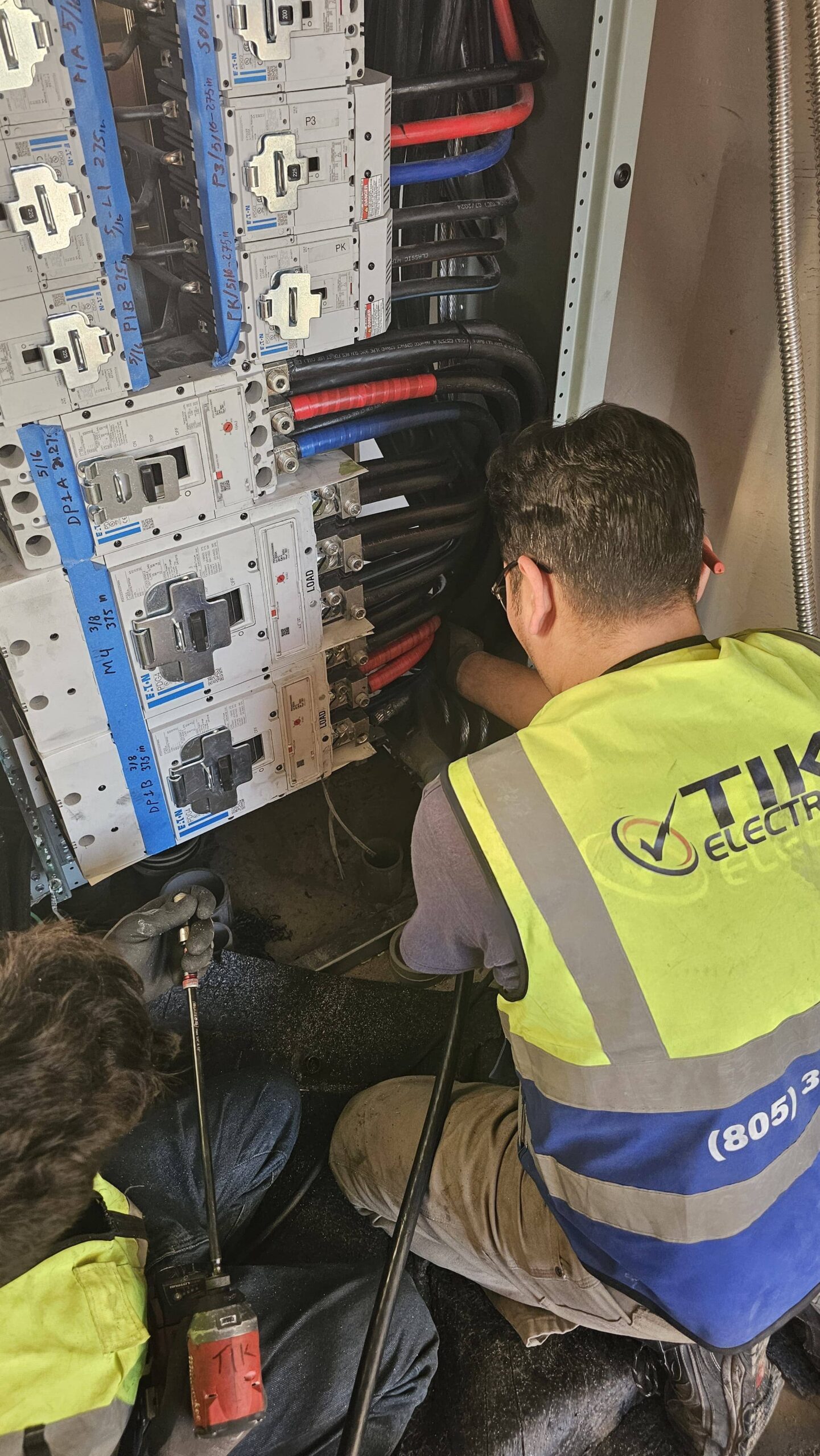
Recent Rewiring & Electrical Upgrade Projects
FAQ (Straight Answers)
Usually add one day for coordination and daily cleanup. We stage room-by-room so you’re never fully “dark.”
We keep cuts small; light patching is often included. For larger areas, we sync with your finisher so the schedule stays tight.
Yes—often Day 1–2. It avoids double downtime and smooths inspection.
We can install traveler conductors during the rewire so later device swaps are plug-and-play.
Absolutely—clean 20A layouts, GFCI where required, and tidy cable management.
Leave a Reply